
Ceramic mosaic tile is made from clay fired at a lower temperature than porcelain, then finished with a glaze. The result is a lighter, easier-to-cut mosaic with a wide glaze range, widely used for wall applications, backsplashes and decorative fields.
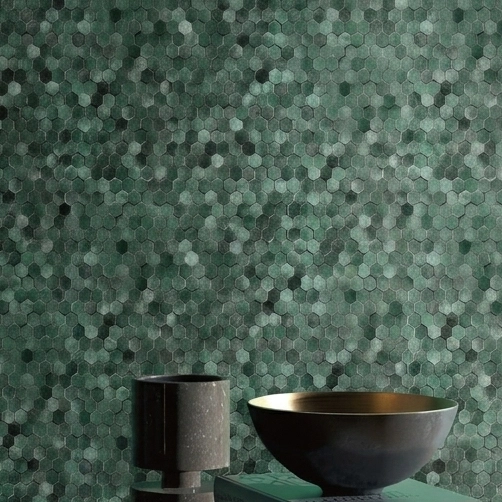
We supply ceramic mosaic on a sourcing basis from Foshan mills, and confirm the actual series, formats and test data for each order before shipment.
Ceramic versus porcelain — the practical difference
The distinction that matters on site is body density. Ceramic has a more porous body and is generally specified for interior walls; porcelain is denser and is specified where frost resistance or heavy foot traffic applies.
| Ceramic mosaic | Porcelain mosaic | |
|---|---|---|
| Body | More porous, lower firing temperature | Denser, higher firing temperature |
| Typical use | Interior walls, backsplashes, decorative fields | Floors, wet areas, exterior and frost exposure |
| Cutting | Easier with hand tools | Requires a wet saw or diamond blade |
| Glaze range | Broad — glazes and printed effects | Narrower, often through-body or rectified |
A fuller comparison is in ceramic vs porcelain mosaic body types.
Typical applications
- Kitchen backsplashes — glazed surfaces wipe clean and resist grease when grouted correctly. See kitchen backsplash mosaic.
- Bathroom walls — small format handles niches and curves; confirm the body is suitable for the wet zone. See bathroom mosaic tile.
- Decorative fields and borders — the broad glaze range makes ceramic the usual choice for pattern work.
- Interior feature walls — where foot traffic and frost are not factors.
What to confirm before specifying
- Water absorption — determines whether the body is suitable for the wet zone you are tiling.
- PEI rating — relevant if the tile is used on floors rather than walls.
- Frost resistance — required for any exterior or unheated application.
- Shade and caliber — confirm the batch, since glaze lots vary.
Current series, model codes and dimension sets are issued with each quotation. Request the up-to-date catalog before final selection.
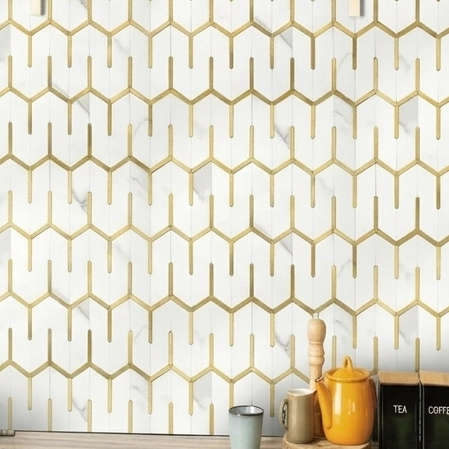
Quality, testing and compliance
Production is supported by third-party testing. Certificates currently on file cover SGS material testing, RoHS compliance, ISO 9001 quality management and Intertek inspection. Test reports are issued per production batch.
Material data sheets — including water absorption, dimensional tolerance, DCOF, PEI rating and frost resistance where applicable — are supplied with each quotation so specifiers can verify performance against project requirements rather than rely on generic claims.
Ordering, sampling and lead time
| Sample | Cut samples from current stock; custom colors require a development lead time |
| MOQ | Confirmed per series and finish at quotation stage |
| Lead time | Confirmed per order; stock items ship faster than production runs |
| Packing | Export cartons on pallets, with project or private-label marking on request |
| Documents | Commercial invoice, packing list, test reports, certificate of origin |
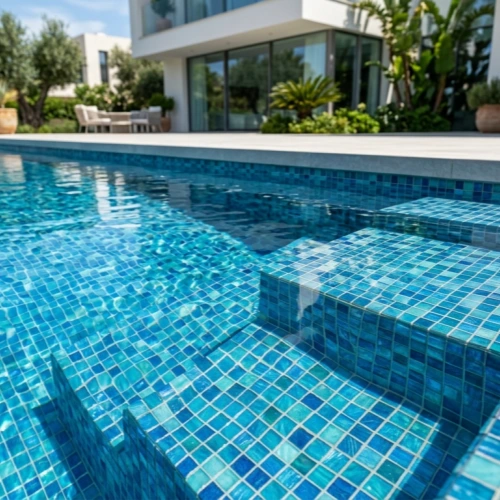
Request samples and a quotation
Send your project type, target quantity and required delivery date, and we will reply with available series, sample availability and pricing.